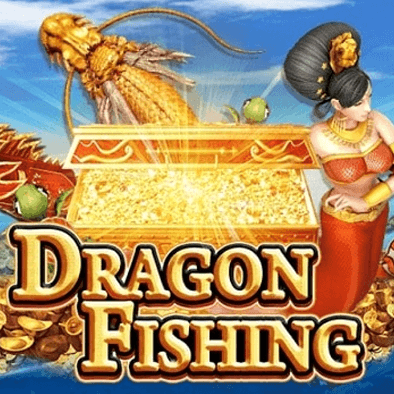
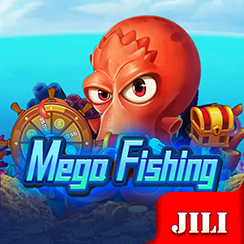
Ocean King Jackpot is a fishing-style game built around aim, target choice, ammunition control and the excitement of a visible jackpot chase.
The short answer: treat each target as a cost-versus-chance decision, set a room budget before aiming and never confuse a large prize display with a guaranteed payout.
Ocean King Jackpot fishing entry
This is the genuine Ocean King Jackpot image record used to identify the title in Scater. Open it through the official route and review the room rules first.
Ocean King Jackpot terms made practical
Fishing games use a visual vocabulary that can seem obvious until a player has to make a quick decision. The aim or cannon is the action point. A target is the creature or object on screen. Ammunition, bullet value or shot cost describes what one attempt consumes. A multiplier may change the displayed reward, while a jackpot target is a special prize condition rather than a promise that any shot will complete it.
Ocean King Jackpot Demo, when offered in the lobby, can help a player practise movement and locate controls. It cannot prove that a live room will produce the same sequence. Before a funded round, locate the balance display, shot value, room information and exit control. This simple vocabulary check prevents a bright interface from hiding the actual cost of a shot.
Three distinctions worth keeping
Target size versus value
A large target can require more successful shots; size alone is not a value guarantee.
Jackpot display versus outcome
A visible prize pool signals a feature condition, not a personal entitlement.
Demo movement versus cash play
Practice shows controls, while real play adds balance and budget consequences.
For account preparation and device checks, the Scater features help guide explains the surrounding access flow.
Ocean King Jackpot theme and experience on a phone
The underwater presentation turns a short round into a scanning exercise. Fish enter, leave and overlap; the player watches movement, selects a target and keeps the crosshair steady. A good mobile experience makes the aim control responsive without making the balance, bullet cost or result unreadable. Keep the phone in a comfortable position and reduce decorative sound if it distracts from the information layer.
The defining rhythm differs from a slot. There is no need to wait passively for a reel stop; attention is spent on position, timing and target priority. That makes Ocean King Jackpot appealing to players who like an arcade-like task, but it also makes rushed tapping expensive. Short windows work best when the player decides in advance whether the goal is learning controls or spending a limited entertainment amount.
Ocean King Jackpot strategy: aim with boundaries
There is no reliable shot pattern that can force a jackpot. A useful strategy is instead a decision discipline. Start by selecting a low, understood shot value. Watch a target's movement for a moment, decide how many attempts your budget allows and stop if the chase becomes emotional. If several attempts miss, do not raise the bullet value to recover the difference.
Scan: Check target movement and read the current shot cost.
Prioritise: Choose a target that fits the planned number of attempts, not just the largest graphic.
Track: Notice balance changes and stop before the boundary becomes uncomfortable.
Close: Leave the room when the planned time or amount ends.
Use the same discipline with payment rails. If you use scater register and later choose scater gcash, confirm the account name, cashier instructions and minimum amount before submitting. A familiar wallet does not remove the need to verify a transaction.
Ocean King Jackpot RTP: what the number can and cannot say
RTP is a long-run mathematical return concept across a large number of completed plays. It is not a target for one player, one target or one evening. Fishing mechanics may also involve different target values and feature conditions, so a single headline number can hide the assumptions behind it. Use RTP as one comparison input alongside shot cost, volatility language, rules and the clarity of the interface.
A sound reading asks: What sample or model does the figure describe? Does it include a feature or jackpot condition? Is the number supplied by an official game information panel? If those answers are missing, do not invent precision. The Scater safety and responsible play guide covers the practical boundary between information and overconfidence.
Long-run lensRTP describes aggregated expectation, never a personal guarantee.
VarianceShort sessions can sit well above or below any average.
Feature contextJackpot rules may change the relevant comparison.
Decision useCombine numbers with cost, rules and personal limits.